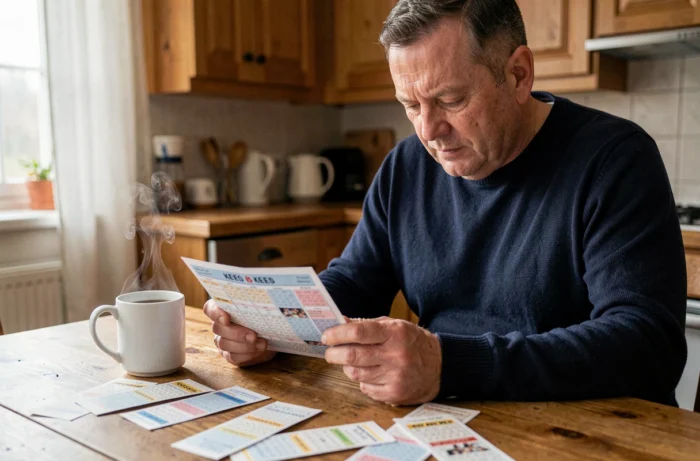
Players choose between four and ten numbers on a grid, adjust their stake and decide whether or not to activate the multiplier. Two questions come up after every draw: which numbers were drawn, and can past draw statistics help guide future grids?
Keno multiplier: how a single setting changes the final prize
Drawn at random for each draw, the multiplier can turn a modest prize into a substantial sum, provided the player selected the option before betting closed.
Activating the multiplier option increases the cost of the ticket. In return, the multiplier drawn can be applied to the entire prize. A player checking the Keno midday and evening results today may also check whether that day’s multiplier would have boosted their winnings.
The difference between a base prize and one after the multiplier is applied can be considerable. In many configurations, the multiplier has a greater impact than choosing one extra number.
Hot Keno numbers: statistical insight or illusion of control?
FDJ provides a ranking of numbers and a complete draw history. Several third-party sites compile this data to identify the numbers drawn most often over a given period, commonly referred to as “hot numbers.”
What the statistics actually show
A number described as hot has simply been drawn more often than average in a past sample. Frequency differences naturally occur over a few hundred draws. These differences describe the past, not the next draw.
Each Keno draw is an independent event. The balls (or their electronic equivalent) have no memory of previous draws. A number drawn ten times last month has exactly the same chance of being drawn tomorrow as a number that has not appeared for three months.
Why these rankings are still consulted
The appeal of hot numbers is based on a well-documented cognitive bias: the tendency to look for patterns in random sequences. In practice, checking the rankings mainly makes it quicker to choose a grid when you are unsure which numbers to select. It is a convenience, not a prediction tool.
- A number that is “hot” over thirty days may be “cold” over ninety days, depending on the observation period chosen
- Sites that publish predictions based on hot numbers generally do not show their verified success rate
- FDJ itself presents these statistics in a history tab, without describing them as a way to play
The number rankings are a mirror of the past, not a compass for the future. This distinction changes how you interpret the results published each evening.
Keno prize table: what the number of numbers played really changes
In Keno, players choose between four and ten numbers from a pool of fifty-six. This choice does not just affect the chances of matching numbers; it changes the entire structure of possible prizes.
Playing four numbers offers better odds of winning a small prize, but the amounts are capped. Playing ten numbers gives you access to the top prize (the “Winner for Life” annuity or the jackpot), while reducing the probability of reaching that tier.
| Number of numbers played | Maximum prize available | Relative probability of winning at least one prize |
|---|---|---|
| 4 | A few hundred euros | Higher |
| 7 | A few thousand euros | Intermediate |
| 10 | Top prize or lifetime annuity | Lower |
The stake (€1, €2, €3, €5 or €10) acts as a multiplier on the prize. Doubling your stake doubles the base prize, regardless of how many numbers you match. This is an arithmetic lever, unlike the multiplier, which depends on the random draw.
Checking your Keno winnings: what to compare after each draw
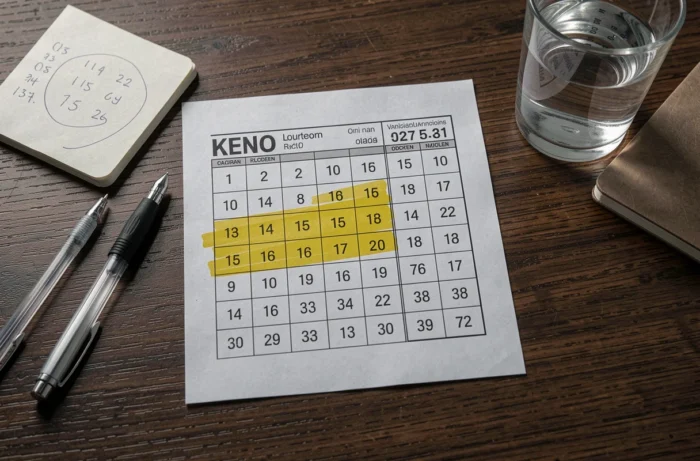
After each evening draw, FDJ publishes the twenty numbers drawn, the multiplier number and the prize breakdown by tier. Checking a ticket involves more than comparing your numbers with those drawn.
- Count the exact number of matches among the numbers you played, taking into account the grid type (4 to 10 numbers)
- Check whether the Joker+ option was selected, as it generates a prize independently of the main Keno result
- Check the multiplier drawn that day if the option was activated on your ticket
- Consult the prize table for the number of numbers you played, not the table for a different grid type
The most common confusion concerns the prize table: a player who selected eight numbers and matched five does not win the same amount as a player who selected six numbers and matched five. The prize depends on the combination of numbers played and numbers matched.
The draw history, available on the FDJ website and several third-party platforms, goes back several weeks. This is mainly useful for checking a misplaced ticket or verifying a result if you are unsure of the date you played.
Keno remains a game of pure chance. Reading the results and statistics provides information, not certainty. That is the difference between understanding how a game works and believing you can control its outcome.