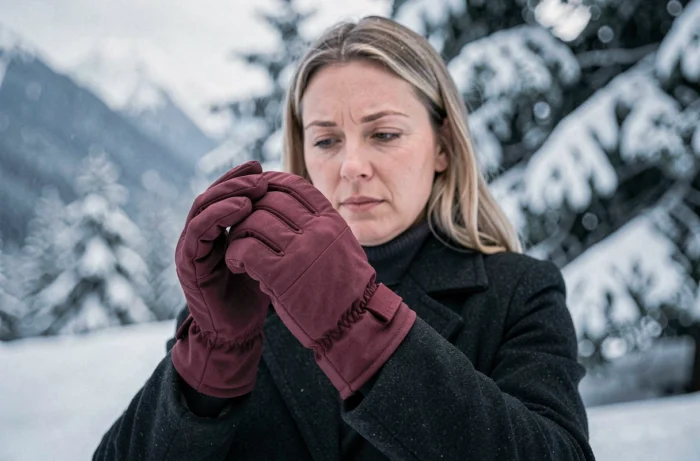
Winter gloves marketed for “extreme cold” cover a wide range of technical specifications. A fleece-lined model and a glove certified for cold-storage work do not offer the same protection, or protect against the same type of cold. Choosing the right pair depends less on the brand or price than on three factors that are rarely considered together: the type of cold your hands will be exposed to, the level of dexterity required, and the length of exposure.
EN 511 standard for winter gloves: what the marking tells you (and what it doesn’t)
The European EN 511 standard is the only harmonized benchmark for assessing the thermal protection offered by gloves. It is referenced in the European regulation on personal protective equipment. Its code consists of three digits, each measuring a different performance characteristic.
The first digit measures resistance to convective cold, meaning cold from the surrounding air or wind. The second measures contact cold: the glove’s ability to insulate the hand from a cold object, such as a metal tool or handle. The third indicates water penetration.
A glove can score highly on the first criterion and poorly on the second. For someone handling metal parts outdoors in sub-zero temperatures, this distinction makes all the difference. The EN 511 marking does not specify a minimum temperature for use: it lets you compare performance tested in a laboratory, but does not guarantee comfort at any particular temperature.
When a manufacturer claims protection “down to -30 °C,” that figure does not come directly from the standard. It is based on in-house protocols or estimates that vary from one brand to another. Without a standardized method for setting these thresholds, comparing two gloves that list the same temperature is unreliable.
If you’re looking for gloves for extreme cold, checking the EN 511 code on the label is the most reliable place to start before looking at the materials.
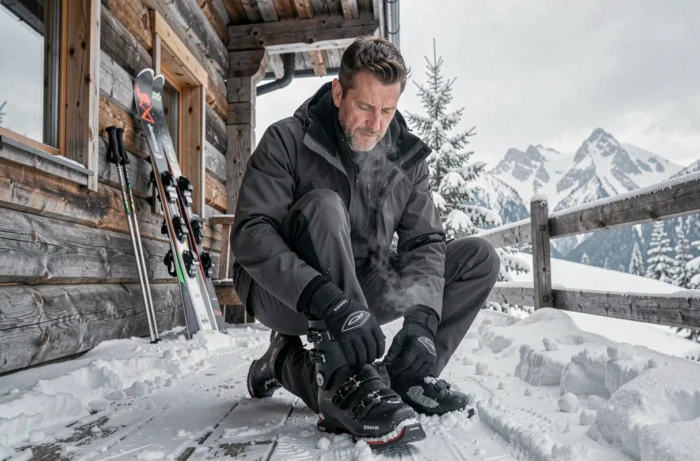
Thermal insulation in gloves: materials and known limitations
Three material families are commonly used to make winter gloves, each offering its own trade-off between warmth, dexterity, and moisture resistance.
Wool and natural linings
Wool retains its insulating properties even when slightly damp. It works well in moderate cold and for urban use or hiking, where perspiration is limited. In prolonged or intense cold, wool alone is not enough to keep your hands warm if exposure lasts more than one to two hours.
Lined leather
Leather offers mechanical resistance to abrasion and punctures that synthetic textiles do not always match. A leather glove lined with synthetic insulation or fur combines physical and thermal protection. The trade-off is reduced dexterity: multiple layers make the glove thicker and fine handling more difficult.
Synthetics and technical membranes
Polyester and lightweight synthetic insulation offer a good warmth-to-weight ratio. Some models feature waterproof, breathable membranes that keep water out while allowing perspiration to escape. This type of construction is well suited to physical activity in intense cold, when sweat can be just as problematic as freezing temperatures.
- Polyester retains body heat while staying flexible, preserving enough dexterity for repetitive tasks.
- Waterproof membranes add protection from rain and melting snow, but can sometimes reduce breathability when the gloves are worn during strenuous activity.
- Removable liners let you adjust the insulation to the temperature: wear the liner alone in mild cold, or pair it with the outer glove when temperatures drop.
No single material covers the full range of thermal conditions. The right choice depends on how the gloves will be used, and a layering system remains the most versatile option for changing conditions.
Waterproofing and insulation: two separate criteria for extreme-cold gloves
A common misconception is that a well-insulated glove is also waterproof. The EN 511 standard assesses these two performance characteristics separately, for good reason: waterproofing and thermal insulation rely on different layers and materials.
A highly insulating glove that lets water through loses much of its effectiveness as soon as snow melts against your hand or rain seeps in. Water conducts heat much faster than air: wet hands in a thick glove cool down faster than dry hands in a thinner one.
For use in wet conditions, such as working outdoors in freezing rain or taking part in snow sports, checking the third digit of the EN 511 code can help you avoid unpleasant surprises. A glove rated zero for this criterion lets water through, regardless of its level of insulation.
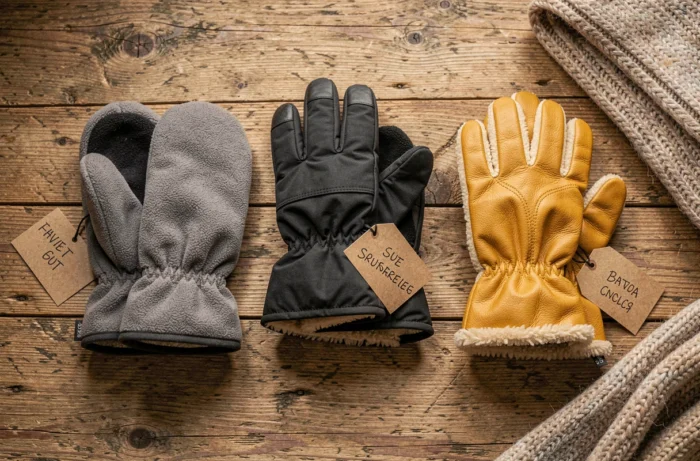
Choosing winter gloves for the task: dexterity versus maximum protection
The classic mistake is to look for the warmest gloves possible without considering what you need to do with your hands. Thick ski gloves protect well against convective cold on a downhill run, but make it difficult to handle a carabiner, use a touchscreen, or tighten a bolt.
- For manual work in intense cold, gloves with a thin lining and reinforced palm offer a compromise: they provide less thermal protection than ski gloves, but still allow you to grip objects effectively.
- For prolonged, stationary activities such as monitoring a construction site or ice fishing, thick gloves with a removable liner prioritize warmth over dexterity.
- For driving or everyday commutes, lined leather gloves with touchscreen compatibility cover most urban situations without overheating your hands.
The best winter glove is the one that matches the duration and type of exposure, not the one with the lowest temperature printed on the packaging. Gloves that are too warm for physical activity cause your hands to sweat, which can make them cool down faster than they would in a thinner glove suited to the effort.
Contact cold is the factor buyers are least likely to check. Handling a metal object in sub-zero temperatures calls for protection that most consumer gloves do not provide. Checking the second digit of the EN 511 code before buying, when available, can save time and spare you from replacing a pair after just a few weeks.