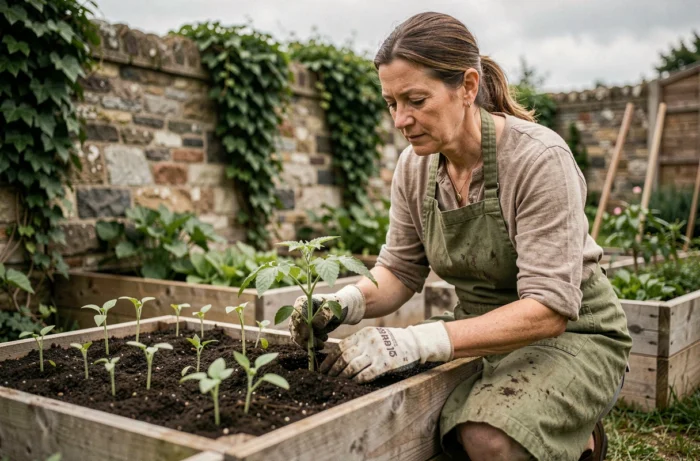
Seasonal gardening is based on a simple technical principle: every plant has a range of temperatures, daylight hours and humidity levels in which it germinates, grows and produces fruit. Even a few degrees or a few weeks outside that range can be enough to jeopardize an entire harvest. Adapting your gardening practices to the natural calendar is the most direct way to keep a vegetable garden or ornamental garden productive for as much of the year as possible.
Soil temperature and the sowing window: the variable that calendars oversimplify
Traditional sowing calendars list months. The problem is that March in Hauts-de-France and March in Provence have nothing in common when it comes to soil conditions. What really matters is the soil temperature at a depth of five centimeters.
Tomatoes need soil temperatures between 18 and 25 °C to germinate in under ten days. Below 12 °C, seeds stall or rot. Zucchini can get started once the soil reaches 12 °C. Sowing these crops based solely on the calendar month can lead to repeated failures, especially in regions where spring arrives late.
A soil thermometer costs just a few euros and makes it easier to decide when to sow. Instead of following a generic chart, measuring the actual soil temperature every week between March and May lets you time sowing to the day. This approach reduces the need for corrective watering and limits the use of treatments, since plants sown in the right conditions develop more resilient root systems.
Following the latest news from Dédé dans son jardin lets you compare your local observations with regular reports from gardeners in the field, particularly on actual sowing dates in different regions.
Crop rotation in the vegetable garden: structure the year in three stages
Crop rotation isn’t just for professional market gardeners. Growing three successive crops a year in the same plot (leafy vegetables in spring, fruiting vegetables in summer, green manure in autumn) disrupts pest cycles and helps prevent soil depletion.
Spring leafy vegetables
Lettuce, spinach and radishes can go in as soon as the soil reaches 8 to 10 °C. These quick-growing crops free up space before heat-loving plants arrive. They use little nitrogen and leave the soil loose, ready for tomatoes or zucchini.
Summer fruiting vegetables
Tomatoes, peppers, eggplants and squash take over. These crops draw heavily on the soil’s reserves, making the third stage all the more useful.
Autumn green manure
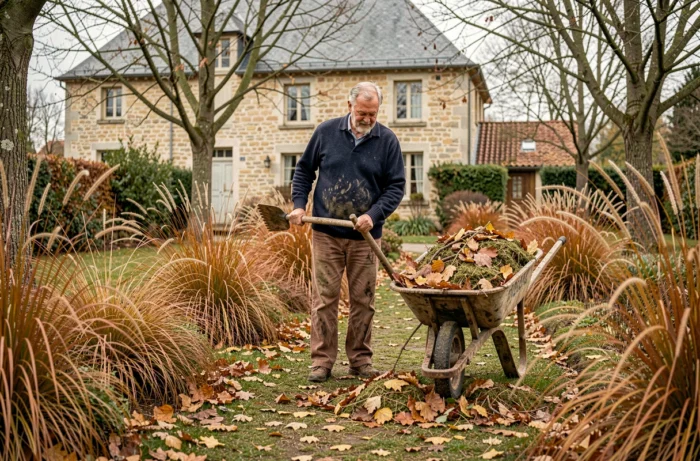
Mustard, phacelia or rye, sown between September and October, protect bare soil from winter leaching and return organic matter to the soil the following spring. Green manure sown in autumn improves soil structure without any external inputs, provided it is cut before it goes to seed.
Crop rotation delivers cumulative benefits: after two or three years of this routine, the soil structure improves and populations of crop-specific pests decline significantly.
Watering restrictions and gardening: adapt your vegetable garden to local rules
Droughts are no longer confined to July and August. Local authorities may impose water restrictions as early as spring or extend them into autumn, depending on groundwater levels. These restrictions vary considerably from one river basin to another: two neighboring municipalities may be subject to different alert levels.
For gardeners, this changes several things:
- When choosing varieties, consider their tolerance to water stress, not just their theoretical yield. Small-fruited tomatoes and winter squash cope better with restrictions than water-hungry cucumbers.
- A thick layer of mulch (dense enough to prevent evaporation) becomes a basic gardening practice, not just a convenience. It significantly reduces how often you need to water.
- Drip irrigation, which delivers water directly to the base of plants, is allowed for longer than sprinkler irrigation under most restrictions. Investing in a localized irrigation system helps keep production going.
Checking your local prefecture or town hall website before each growing season helps you plan for these restrictions rather than having to deal with them in the middle of harvest time.
Invasive alien species: check before you plant
European Commission Implementing Regulation 2025/1422 updated the list of species of concern to the Union. In practical terms, a common ornamental plant may be subject to sales or cultivation restrictions without amateur gardeners being informed at the time of purchase.
A plant’s scientific classification as “invasive” and its inclusion on a regulatory list are two different things. Not all plants considered invasive by botanists are subject to the same bans. Before introducing a species to your garden, especially if it comes from a plant swap or an online nursery, it’s best to check its status against official lists (national botanical conservatories and prefecture websites).
This simple precaution helps avoid two problems: a fine if you’re inspected, and, above all, the spread of a species capable of smothering local flora. Private gardens remain one of the main pathways for the spread of invasive alien species in Europe.
Living soil and year-round ground cover: the guiding principle for every season
Soil left bare between crops loses its structure under the effects of rain, frost and wind. Keeping the soil covered with plants or mulch throughout the year protects the microbial life that makes nutrients available to plants.
In winter, green manure or a layer of fallen leaves does the job. In spring and summer, organic mulch (straw, wood chips, dried grass clippings) reduces evaporation and feeds earthworms. This approach limits soil cultivation to what is strictly necessary and improves water retention—an immediate advantage as watering restrictions become more common.
Gardening through the seasons is about more than following a sowing calendar. Local water regulations, lists of regulated species and soil management between crops all have as much bearing on a garden’s success as choosing the right variety at the right time.