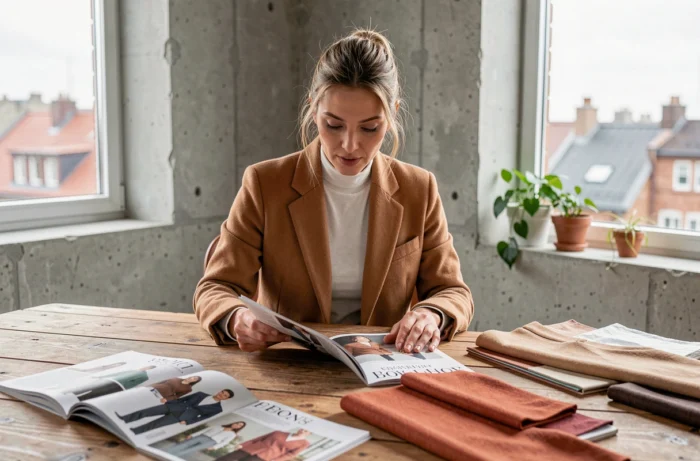
Which fashion trends truly span the seasons, and which disappear as soon as the window display changes? Following fashion news over a full year means distinguishing lasting shifts (secondhand, traceability, timeless pieces) from fleeting runway effects. This article compares the main directions by season and identifies practical ways to refine your style without buying more.
Fashion trends by season: what really changes from one half of the year to the next
Every year, the spring-summer and fall-winter shows offer dozens of style directions. In practice, only a few become lasting staples in people’s wardrobes.
| Criteria | Spring-summer | Fall-winter |
|---|---|---|
| Dominant color palette | Pastels, off-whites, saturated brights | Burgundy, black, camel, charcoal gray |
| Key pieces | Flowing dresses, midi skirts, structured tops | Long coats, knee-high boots, chunky knitwear |
| Preferred fabrics | Linen, lightweight cotton, silk blends | Wool, leather, corduroy |
| Lasting influence | Secondhand and vintage pieces incorporated into outfits | Repairing and caring for existing pieces |
| Recurring accessory | Oversized sunglasses, raffia bags | XXL scarves, leather gloves, gold jewelry |
The table highlights a consistent pattern: colors and fabrics change, but silhouettes evolve very little. A well-cut dress worn in spring can be layered with a lightweight sweater in fall. Accessories, meanwhile, are the true markers of the season.
To keep track of these changes throughout the year, regularly checking Blog Mode news can help you filter out passing micro-trends and focus on those with staying power.
Colors and style: the gap between the runway and real-life wardrobes
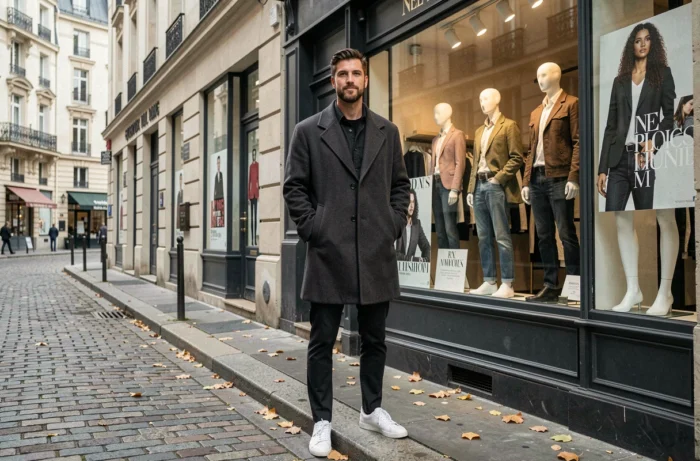
Fashion Weeks showcase extreme color palettes. Shoppers in stores, by contrast, gravitate toward more neutral shades. This gap isn’t a matter of taste; it reflects the need for a long-lasting wardrobe.
The colors worn most often day to day are still black, white, and navy, whatever the season. Bright shades seen on the runway tend to appear in accessories or as a single statement piece.
Three ways to add color without taking a risk
- Choose one standout piece per outfit (a colorful pair of pants, a bright bag) and keep everything else neutral. The effect is immediate without transforming your wardrobe.
- Try a trending color in an inexpensive accessory (scarf, belt, earrings) before investing in a full garment.
- Choose colors that come back in cycles (burgundy in fall, sage green in spring): they can be worn across several seasons and are easier to resell secondhand.
Personal style depends less on color choice than on balanced proportions. An oversized coat calls for a fitted bottom. A loose dress gains structure with a defined belt. These silhouette rules work across seasons and never go out of date.
Secondhand and textile repair: fashion trends that have become the norm
Circular fashion is no longer a niche market. Retailers are developing their own collection and resale programs, alongside peer-to-peer platforms. This shift is changing how people follow trends: choosing a well-curated vintage piece is now as much a style statement as a budget-conscious choice.
When it comes to repairs, some brands offer restoration services. Labor costs and competition from inexpensive clothing are holding back the growth of these services. Profitability remains a challenge, but demand is increasing.
Textile traceability and the digital product passport
The European Ecodesign for Sustainable Products Regulation provides for a gradual rollout of requirements by product category. Textiles and clothing are among the categories covered by the digital product passport, which is intended to make information about composition and life cycle more accessible.
The revised Waste Framework Directive extends producer responsibility for textiles across the EU. In practical terms, brands will have to fund the collection and treatment of their products at the end of their life. This regulatory requirement is pushing retailers to design more durable clothing, directly influencing the fabrics and finishes offered each season.
Tips for building a wardrobe that inspires all year round
Following trends without falling into overconsumption calls for a methodical approach. Most successful outfits rely on a small number of well-coordinated pieces, not constant wardrobe updates.
- Identify three to five key pieces for each season (a coat, jeans, a pair of shoes, a versatile top, a signature accessory) and build outfits around them.
- Keep an eye on capsule collections and limited-edition collaborations: they often offer timeless cuts at mid-range prices, with more considered designs than permanent collections.
- Save your favorite outfits (photos, a notebook, a digital folder) to spot your own consistent style choices. The most enduring trends are the ones that suit a silhouette you already wear.
A wardrobe that works all year depends less on keeping up with fashion than on understanding your own recurring choices. Trends then serve as a filter, not a rulebook. The pieces you wear most are the ones you reach for without thinking, because they fit into a style you’ve already built.